Al Fahidi Fort reopens as a museum after five years of restoration
Dubai's oldest standing building, Al Fahidi Fort, has reopened with six new galleries and more than 700 heritage pieces after a restoration that began in 2021.
Al Fahidi Fort, Al Fahidi, Bur Dubai, Dubai
Al Fahidi Fort, the oldest building still standing in Dubai, reopened on Friday 20 November after a restoration and redevelopment that kept it closed for five years. The fort in old Bur Dubai, which housed the Dubai Museum for half a century, now holds six galleries and more than 700 heritage and historical pieces, from archaeological finds to Islamic arms and armour, according to the Emirates News Agency.
For many residents the fort was the first museum they ever visited in the city: a squat coral-stone building with a round tower and a flagpole, a short walk from the creek, where school trips and visiting relatives were taken to see how Dubai lived before oil. It closed in 2021 so the building could be restored and the visitor experience rebuilt, and its reopening date slipped more than once; in February this year it was expected in the first half of 2026.
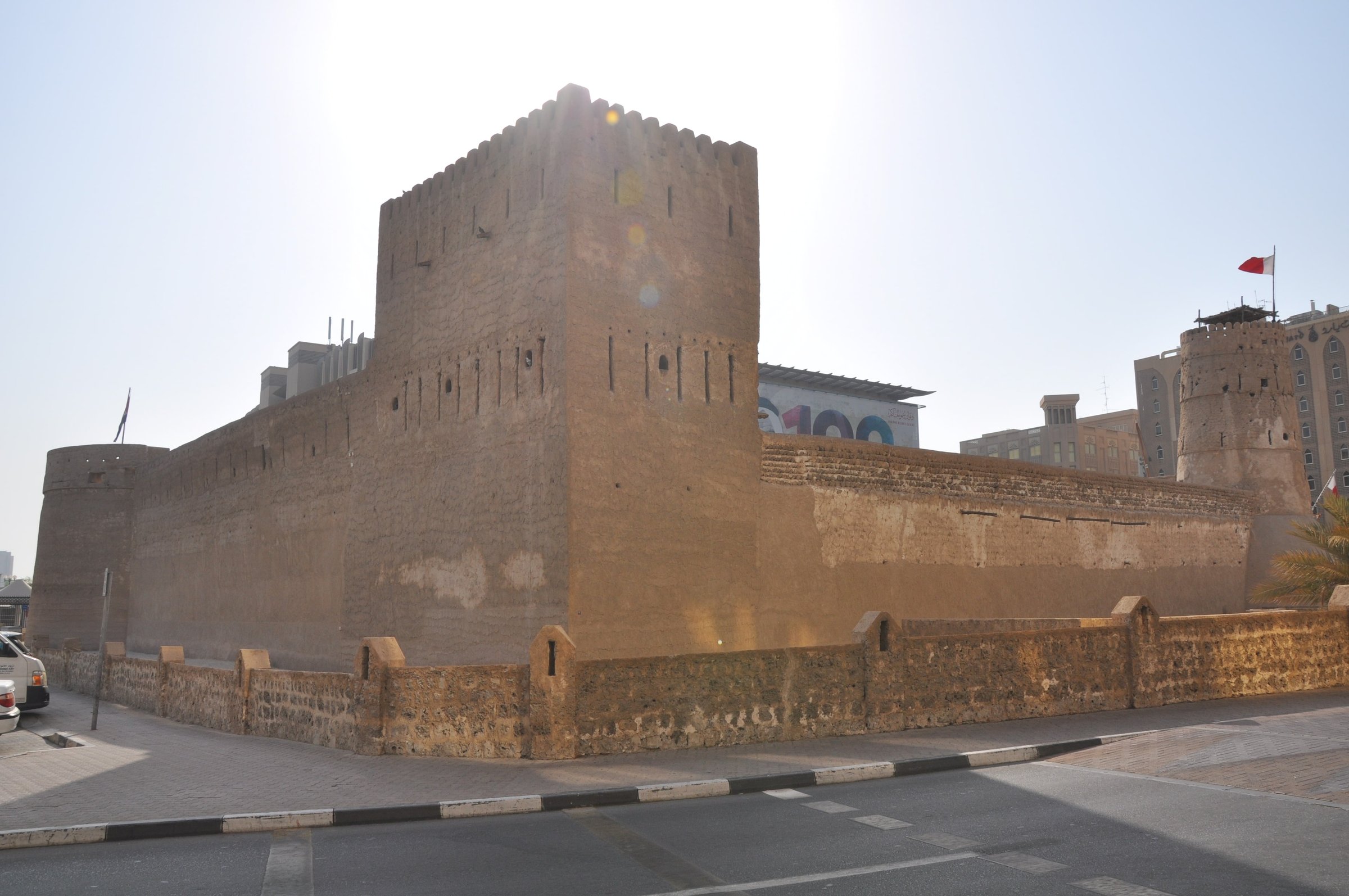
The story of the building is a long one. Work on the fort began in 1787, which makes it older than any other structure left standing in the emirate. It was the seat of government until 1896, guarded the town on the land side, and later served as a store and a prison. In 1971 it opened as Dubai's first museum. At its heart is the Murabba'ah Tower, the square tower whose walls are about two metres thick and were built from coral stone and gypsum, the materials of every older building along the creek.
The new museum is laid out as a walk through six galleries. The Vault is an audiovisual space on Dubai's defence history. A Landmark Across the Ages follows the fort's changing roles. Islamic Arms and Armour shows the weapons collection. Memories of Al Fahidi Fort gathers the recollections of people who lived and worked inside its walls. Defence Fortifications places the fort among the UAE's other forts and watchtowers, and The Fort Today and Tomorrow closes the route and brings visitors back to the main gate. Archive documents, interactive digital displays and audiovisual pieces run through the whole visit.
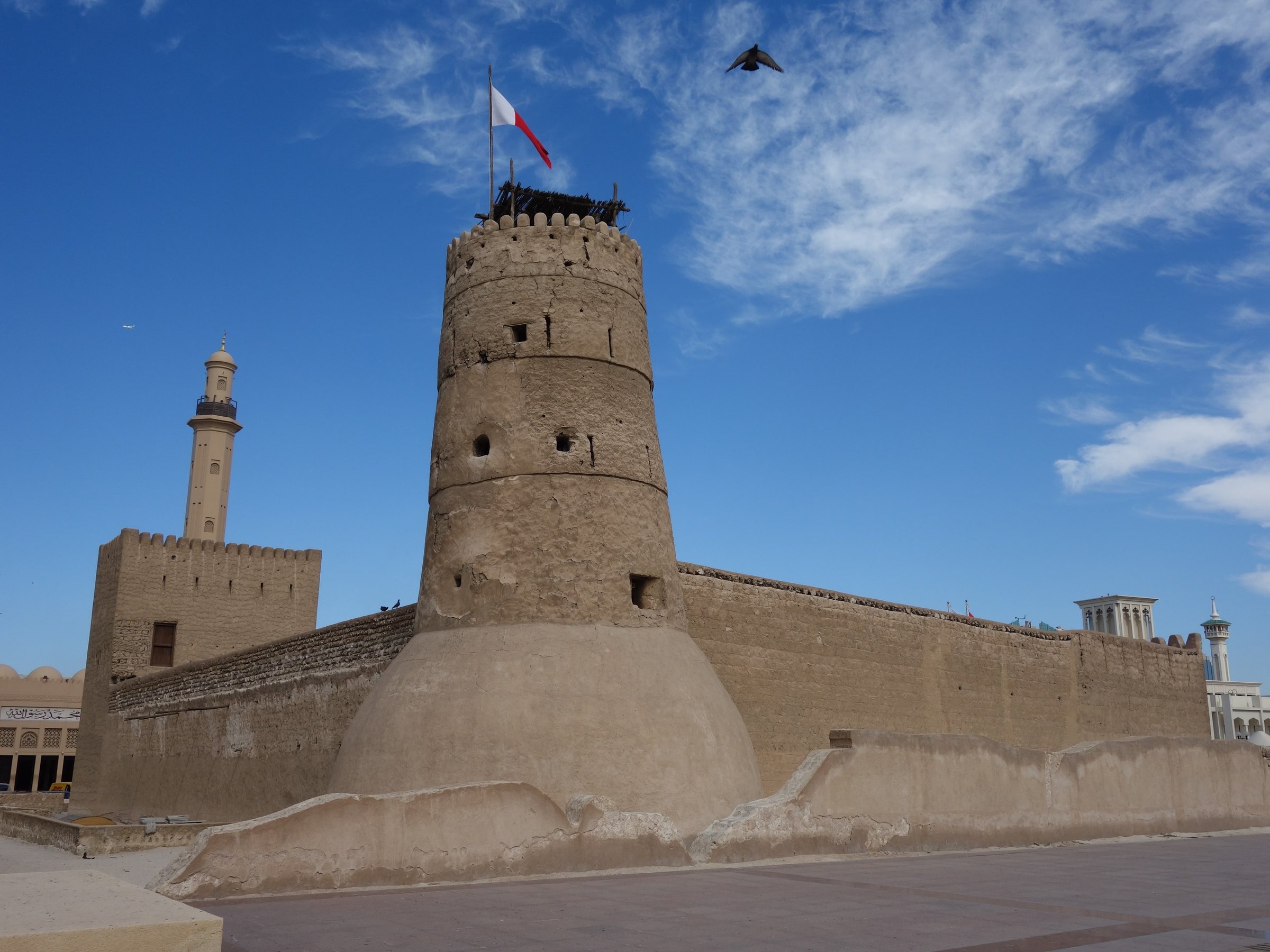
The restoration was led by the Dubai Culture and Arts Authority with the Ministry of Defence, the Roads and Transport Authority, Dubai Municipality and the Department of Economy and Tourism as partners. The aim, as described in the announcement, was to keep the historic building as it was while giving visitors a fuller account of what happened inside it.
The reopening fits into a wider effort to bring people back to the old town. The fort sits in the Al Fahidi Historical Neighbourhood, close to the wind-tower houses, small museums and galleries of the area, and to the abra stations that cross the creek to the souks of Deira, so it works as the start of a half-day walk through old Dubai.
Opening hours and ticket prices for the reopened museum were not given in the announcement. Before the closure, entry cost a few dirhams, but the new prices may differ, so check Dubai Culture's website or its app before you go. The fort is in Al Fahidi, Bur Dubai, and the easiest way to reach it is by Metro to the Bur Dubai stations or by abra from Deira, as parking in the old town is limited. Allow an hour for the six galleries, and pair the visit with a walk through the neighbourhood around it.